.jpg)

GMEG - Harvesting Gravity's Power for Clean, Reliable Energy

The Power of Pure Leverage
To understand how the GMEG-Zero harvests energy, think of its internal mechanics like a massive, high-leverage heavy vehicle wrench. If you try to loosen a commercial vehicle's wheel nut with a short, standard spanner, you can put all your weight into it and nothing moves. But if you attach a long extension bar - increasing the radius - the exact same downward force effortlessly cracks the nut loose because you have dramatically multiplied the torque profile.
The GMEG-Zero treats the continuous pull of gravity against its linked internal masses as that permanent, unyielding mechanical extension bar. By translating this constant downward natural force directly onto a closed drive mechanism, the fixed radius of our primary internal system converts descending gravitational mass against a permanently changing gradient into a highly magnified, continuous rotational force. We aren’t generating energy from nothing; we are simply using mechanical leverage to collect an ambient natural gradient with maximum efficiency.
Organizing Roller Coaster Kinetics
But how do you keep a heavy payload moving continuously without it grinding to a stop? To visualise the internal path of our system, look no further than a modern, precision-engineered roller coaster loop.
A roller coaster doesn't use fuel to make its dramatic loops and curves; it relies entirely on the predictability of gravity. The coaster car is carried over the crest, and gravity pulls it down a steep drop, building massive kinetic energy and velocity. That accumulated momentum is what effortlessly swings the car up, over, and against the next upward incline.
The GMEG-Zero operates on this exact same kinetic principle, but instead of a sprawling outdoor theme park track, we have localised this loop inside a compact, high-rigidity housing. The internal masses sweep smoothly down the straight sections, harvest maximum force as they round the corner, and use that stabilised mechanical momentum to seamlessly reset the loop. We are organising standard roller coaster physics into a continuous, controlled, and closed operational cycle.

The Continuous Siphon (Managing Runaway Force)
Because we are harvesting gravity along a highly dynamic gradient, the heavy payload naturally wants to accelerate exponentially. Left entirely unchecked, any mechanical machine would quickly experience catastrophic runaway speed. To prevent this, the GMEG-Zero features a built-in, continuous, dynamic throttle known as the Kinetic Energy Transfer System (KETS).
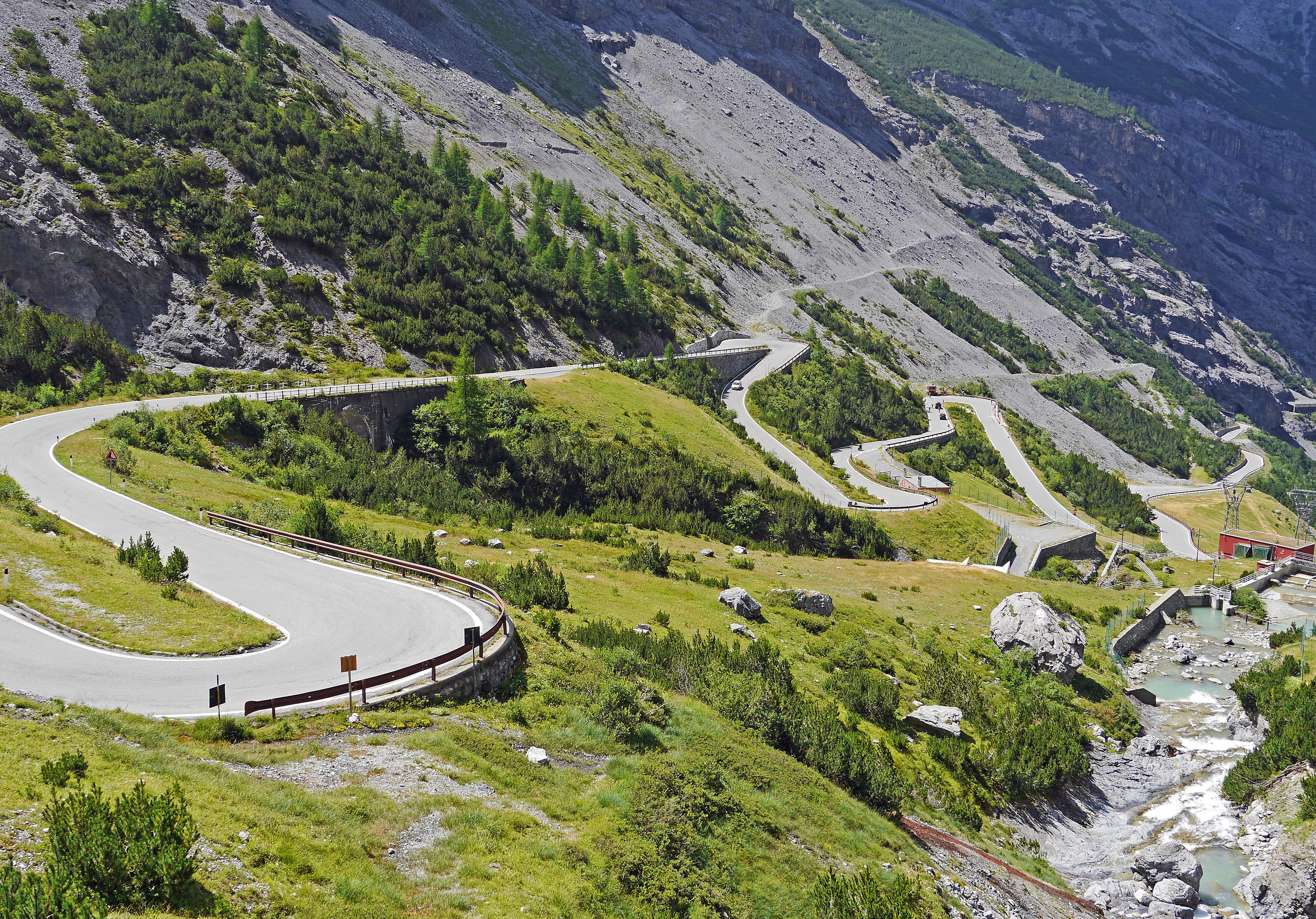
Imagine a heavy truck descending an incredibly steep, never-ending mountain pass. If the driver lets the truck coast, gravity will cause it to pick up dangerous speed exponentially. To maintain a rock-solid, safe driving speed, the driver must apply the brakes continuously. In a standard vehicle, this generates massive friction, converting that immense kinetic energy into useless, destructive heat that burns out the brake pads.
Our stabilisation system performs that exact same braking function, but with a critical twist: it never wastes the energy. Instead of burning off the runaway kinetic force as heat, our system uses a dual-rotor architecture as a dynamic energy siphon. It continuously strips away the excess accelerating force to maintain a perfectly stable, unshakeable operational speed, storing that captured kinetic energy in a localised reservoir to be smoothly recycled straight back into the system loop. It turns a dangerous runaway force into a beautifully regulated power source.
The F1 Hybrid Energy Symphony
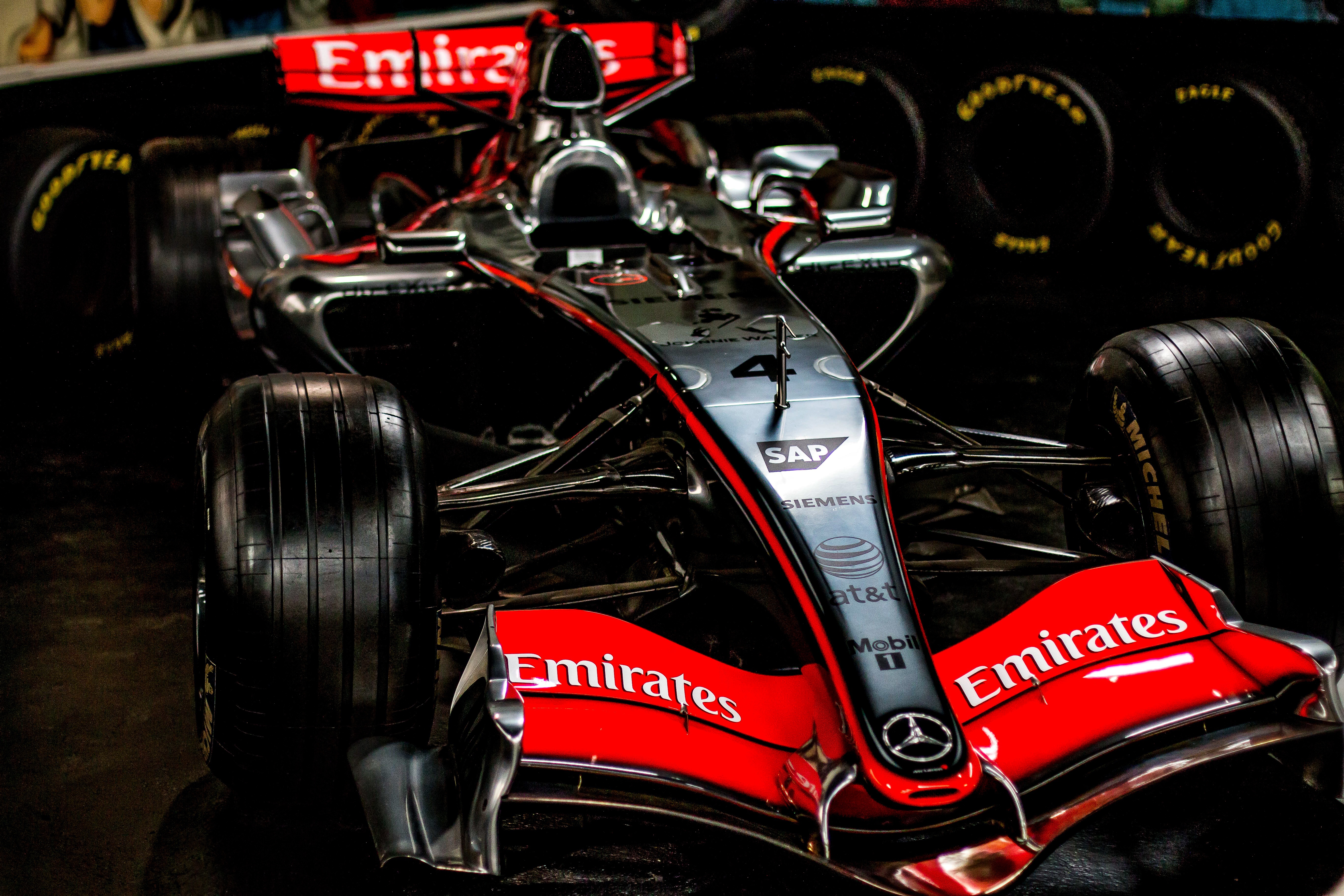
The real magic of the technology lies in how all these internal loops talk to one another without shocking the system or disrupting the external grid. To handle internal shifts, the machine operates exactly like a modern Formula 1 Hybrid Power Unit, or a highly efficient eco-factory.
Imagine a localised green power plant feeding a perfectly smooth, unfluctuating stream of electricity out to the municipal grid. Internally, the factory houses heavy components that require massive, rapid surges of power to periodically shift direction. If those heavy machines drew power directly from the main line, they would collapse the local electrical grid.
To prevent this, the GMEG-Zero runs a closed internal energy exchange. When internal components need to execute a rapid positional shift, the system deploys a sophisticated, non-linear kinetic buffering method. Instead of drawing sudden, erratic spikes from an external source or directly straining the drive chain, the system utilises an isolated, high-velocity energy reservoir that charges seamlessly during low-load intervals. When the exact microsecond arrives to execute a heavy positional shift, this buffer discharges its accumulated momentum in a precisely timed burst.
Because the primary drive system completely decouples from the structural load during these high-force phases, the sensitive electronics and control systems remain entirely isolated from mechanical shock. The external grid connection never sees a single spike or fluctuation - it simply receives a pure, unshakeable, and continuous stream of exported green power.